Literary Corner: Alone
A literary analysis of Alone by Edgar Allan Poe.
By Dane de Block, published
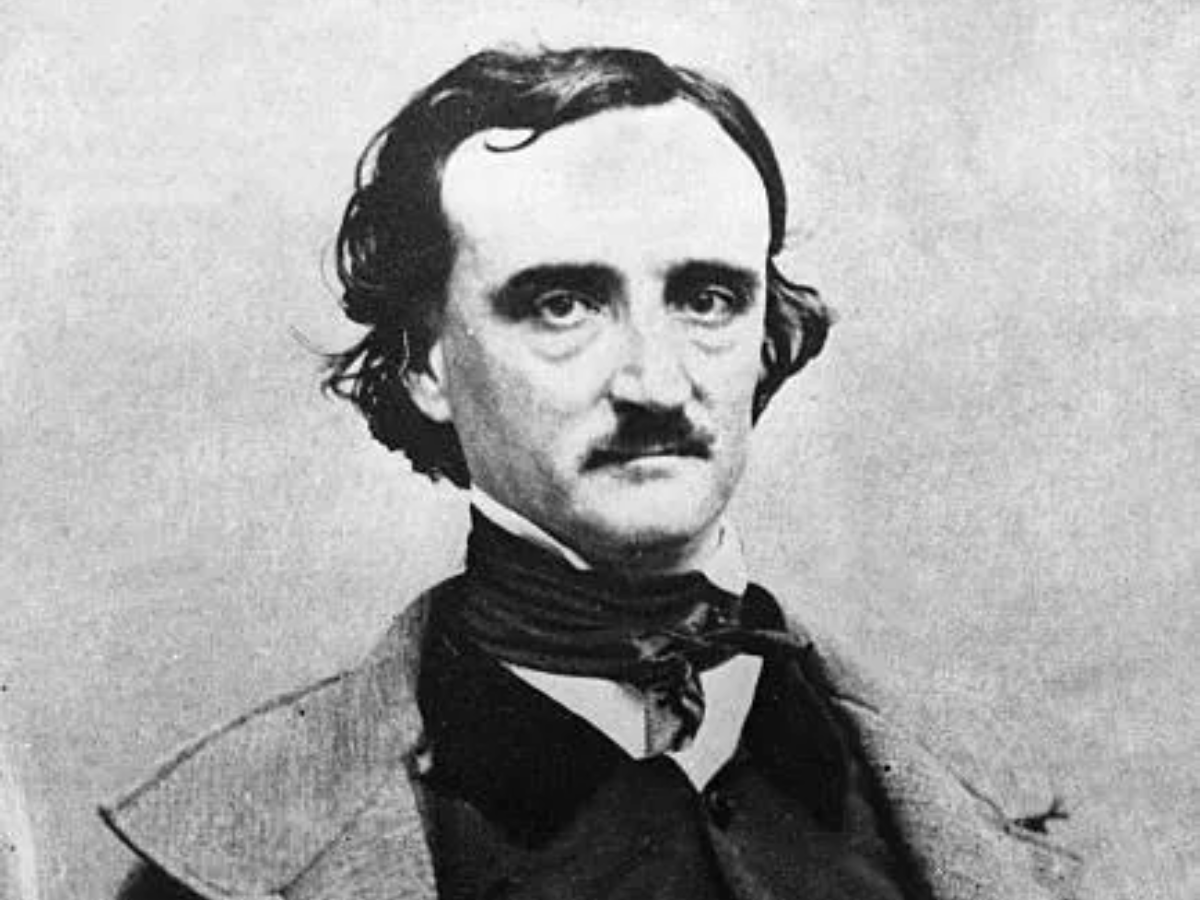
Alone:
- From childhood's hour I have not been
- As others were -- I have not seen
- As others saw -- I could not bring
- My passions from a common spring --
- From the same source I have not taken
- My sorrow -- I could not awaken
- My heart to joy at the same tone --
- And all I lov'd -- I lov'd alone --
- Then -- in my childhood -- in the dawn
- Of a most stormy life -- was drawn
- From ev'ry depth of good and ill
- The mystery which binds me still --
- From the torrent, or the fountain --
- From the red cliff of the mountain --
- From the sun that 'round me roll'd
- In its autumn tint of gold --
- From the lightning in the sky
- As it pass'd me flying by --
- From the thunder, and the storm --
- And the cloud that took the form
- (When the rest of Heaven was blue)
- Of a demon in my view --
Note:
This poem was written by Edgar Allan Poe in the early 1800’s. Poe wrote this poem in the autograph album of Lucy Holmes. The poem was never published during Poe's lifetime. When it was published, it included the addition of a title and date not on the original manuscript. That title was "Alone," which has remained.
Literary Analysis:
What draws me to this poem is Poe's vivid imagery and theme of alienation. The piece can be broken down into four roughly equal parts: lines 1-8 have the speaker comparing himself to others; lines 9-12 describe a life changing event; lines 13-16 bring up the beauty he sees; lines 17-22 bring up the evil. I think the general message of this poem is fairly clear; with his harping on feeling alienated and isolated; so I’m going to just focus on a few lines I find particularly interesting. 11-12 state that out of his “stormy” life, a mystery enthralled him that was “from every depth of good and i’ll.” He then proceeds to list natural phenomena: from things that are beautiful, to things considered to be dangerous. I especially like line 13: “From the torrent OR the fountain.” A torrent is generally a chaotic, naturally occurring water work, while a fountain is a calm, man made one. From the sun, to mountains, to water works; the world he sees truly is beautiful. However, there are scary or even malicious aspects: thunder, lightning, and most obviously, the form of a demon. I really enjoy the step from his “stormy” life, to a vision of a demon. Also, it’s forming in the sky; looming over him, like an obstacle he needs to overcome. And clouds have historically been seen as omens: good or bad feelings about the future at large. However, what I find hardest to understand are lines 5-6. Specifically: “From the same source I have not taken my sorrow.” Is the speaker saying his pain does not arise from his joy? Or do things that bother other people not bother him? I’m curious what you think! Send me your thoughts at contact@bensonorbit.com.